Plastic Card Printer for Loyalty Cards: Best Options
Table of Contents []
- Why Plastic Card ID Is the Go-To Source for a Plastic Card Printer for Loyalty Cards
- Choosing the Right Plastic Card Printer for Your Loyalty Card Volume
- Supplies and Consumables That Keep Your Loyalty Card Program Running
- Loyalty Card Features That Drive Real Customer Engagement
- Frequently Asked Questions About Plastic Card Printers for Loyalty Programs
- Building a Complete Loyalty Card Program with Plastic Card ID
Why Plastic Card ID Is the Go-To Source for a Plastic Card Printer for Loyalty Cards
 Loyalty programs live and die by the details. A flimsy, faded card stuffed in a customer's wallet sends a message - just not the one you want. When your brand is represented by a card that feels premium, scans reliably, and looks sharp after months of use, that silent signal works in your favor every single time a customer reaches for it. That's exactly the kind of outcome CPE has been helping businesses achieve for over 25 years.
Serving more than 100,000 customers across the United States, Plastic Card ID supplies professional-grade plastic card printers and everything that goes with them - ribbons, cleaning kits, encoding upgrades, card carriers, and more. Whether you're running a regional coffee shop loyalty program or managing membership cards for a national fitness chain, the right printer transforms your card program from a logistical headache into a streamlined, on-demand operation you control entirely in-house.
The Business Case for In-House Loyalty Card Printing
Outsourcing card production sounds convenient until the minimum order quantities arrive, the lead times stretch, and you realize you can't update a design without ordering another thousand cards. In-house printing flips that equation. You print exactly what you need, exactly when you need it - one card or five hundred, same-day if the situation calls for it.
Personalization becomes trivially easy. Each card can carry a unique member number, a name, a QR code, or an encoded magnetic stripe - all printed and encoded in a single pass on the right machine. That's a capability that matters enormously when you're building a loyalty program designed to feel personal rather than generic.
What Sets a Dedicated Card Printer Apart from General Print Solutions
Standard office printers aren't built for PVC card stock. A dedicated plastic card printer is engineered specifically for the task - applying dye-sublimation or thermal transfer technology to produce vibrant, durable, professional output on CR-80 sized cards. The results are categorically different: sharper graphics, more accurate colors, and prints that don't crack or peel under the normal wear and tear a loyalty card endures.
The difference between a general printer and a card-specific system is immediately visible and permanently felt. Professional card printers also offer encoding capabilities - magnetic stripe, smart chip, and RFID - that standard printers simply cannot replicate. For loyalty programs that need scannable cards integrated with point-of-sale systems, that encoding functionality isn't optional. It's the whole point.
Who Uses In-House Loyalty Card Printing?
The range of businesses that benefit from an in-house plastic card printer for loyalty cards is genuinely wide. Retail stores, spas, restaurants, gyms, bookstores, pet supply shops - any business with a repeat-customer model can leverage a well-printed loyalty card to drive return visits and build genuine brand affinity.
Beyond retail loyalty, the same printers handle membership cards, gift cards, discount cards, and access control cards. That versatility means your investment in hardware serves multiple programs simultaneously. A single mid-range card printer can support your loyalty program, your employee ID system, and your VIP access control cards without missing a beat.
Choosing the Right Plastic Card Printer for Your Loyalty Card Volume
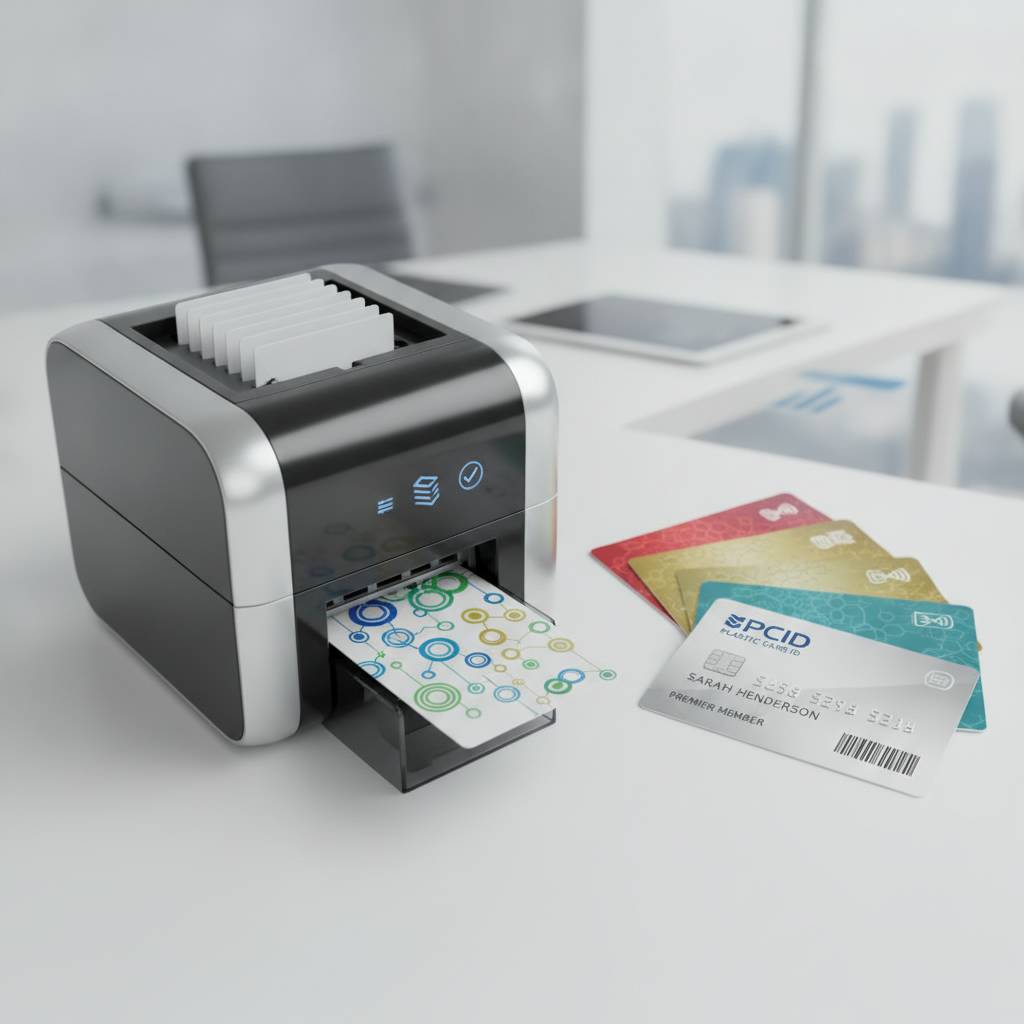 Not every business needs the same machine. Matching printer capability to actual production volume is one of the smartest decisions you can make before purchasing - and it's an area where Plastic Card ID genuinely earns its reputation for helpful guidance. The wrong printer isn't just an overpayment; it can bottleneck your entire program or fail to keep up with demand during peak periods.
The lineup at CPE spans everything from compact desktop units suited for low-volume boutique programs to heavy-duty industrial systems built for organizations printing tens of thousands of cards annually. Understanding the tiers helps you make a confident, informed decision rather than a hopeful guess.
| Printer Model | Best For | Volume Range | Key Features |
|---|---|---|---|
| Evolis Badgy200 | Small businesses, startups | Under 1,000 cards/year | Compact, easy setup, color printing |
| Evolis Zenius | Growing loyalty programs | 1,000-6,000 cards/month | Single-sided, ribbon options, encoding |
| Evolis Primacy2 | Mid-to-large volume operations | 1,000-6,000 cards/month | Dual-sided, magnetic stripe encoding |
| Evolis Agilia | Premium, high-quality output | High volume | Edge-to-edge printing, top-tier resolution |
| Fargo / Zebra | Security-focused programs | Variable | Secure encoding, robust construction |
Entry-Level Options: The Evolis Badgy200
Small operations launching their first loyalty program don't need an industrial powerhouse. The Evolis Badgy200 is designed precisely for this scenario - a compact, user-friendly printer that delivers full-color, professional-quality cards without requiring a dedicated print technician or a large upfront investment. Setup is fast, the learning curve is minimal, and the output quality consistently exceeds what business owners expect from an entry-level machine.
For businesses printing fewer than 1,000 cards per year, the Badgy200 represents exceptional value. It's also a smart way to test the economics of in-house printing before committing to a larger system. Many businesses that start with the Badgy200 upgrade within a year because the results - and the cost savings versus outsourcing - speak for themselves.
Mid-Range Workhorses: Evolis Zenius and Primacy2
When loyalty programs scale up, the Evolis Zenius and Primacy2 step in with more muscle. Both printers handle volumes between 1,000 and 6,000 cards per month comfortably, and both support ribbon and encoding configurations that entry-level machines don't offer. The Zenius handles single-sided output with speed and reliability, while the Primacy2 adds dual-sided printing and magnetic stripe encoding - critical for loyalty cards that need to integrate with POS systems or access control readers.
The Primacy2, in particular, is a favorite among retail chains, fitness centers, and multi-location businesses that need consistent, high-quality output across the whole organization. Dual-sided printing means your loyalty card back can carry terms, barcodes, or branding elements without any additional production steps. That's a meaningful efficiency gain when you're printing hundreds of cards per week.
Premium Output: The Evolis Agilia
Some loyalty programs demand the absolute best - edge-to-edge color, razor-sharp detail, and output that genuinely looks like it was produced by a professional print house. The Evolis Agilia delivers exactly that. With full-bleed printing capability and exceptional resolution, the Agilia produces cards that make an immediate impression and reinforce high-end brand positioning at every customer interaction.
If your loyalty card is also a statement piece - something customers are genuinely proud to carry - then investing in premium print quality pays dividends in brand perception. The Agilia is the choice for organizations where visual excellence is non-negotiable. Upscale boutiques, luxury hospitality brands, and premium membership clubs consistently find that the Agilia's output aligns with their brand standards in ways that mid-range printers simply can't match.
Supplies and Consumables That Keep Your Loyalty Card Program Running
A printer is only as reliable as the supplies feeding it. Running out of ribbon mid-week, using the wrong lamination film, or skipping routine cleaning can each derail a loyalty card program in ways that are frustrating and entirely preventable. Plastic Card ID stocks the full range of consumables your card printer needs, and having a reliable supply chain matters just as much as having the right hardware.
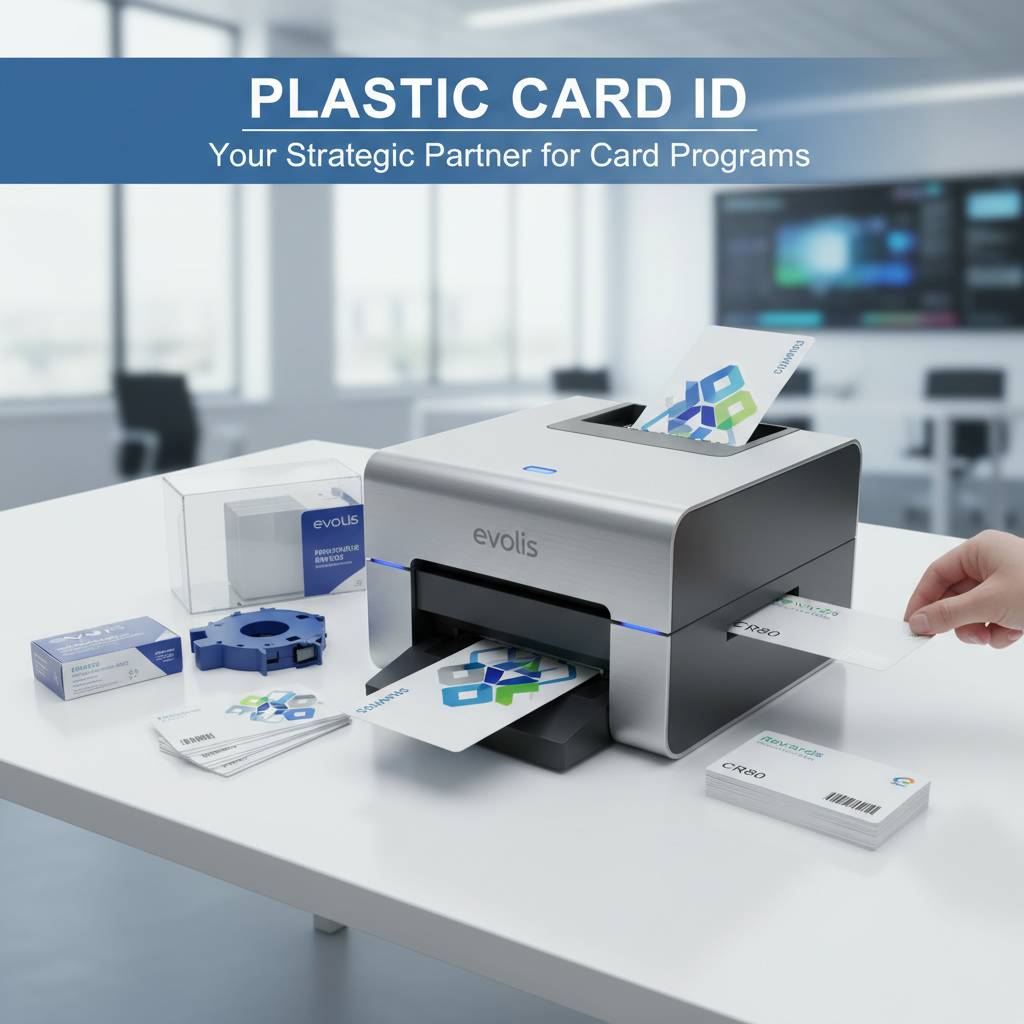
Beyond basic reliability, the right ribbon and lamination choices directly affect card quality and durability. A YMCKO ribbon produces full-color output with an overlay panel that protects the print from scratching and UV fading. Monochrome ribbons handle high-speed, single-color output efficiently. Getting these choices right isn't complicated - but it does require knowing your printer model and your program's specific demands.
Understanding Ribbon Types for Loyalty Card Printing
YMCKO ribbons - yellow, magenta, cyan, black, and overlay - are the standard choice for full-color loyalty card printing. They deliver vivid color and include a clear protective overlay that significantly extends card life. For programs where visual branding is central to the card's purpose, YMCKO is almost always the right answer.
Monochrome ribbons are the efficiency play. When you need to print barcodes, member numbers, or simple text updates onto pre-printed card stock, a monochrome ribbon prints faster and costs less per card. Matching the ribbon type to the specific task keeps per-card costs low without sacrificing quality where quality matters most.
Cleaning Kits, Lamination, and Encoding Modules
Printer cleaning is one of those maintenance steps that's easy to skip - until a buildup of dust or debris starts producing streaks, banding, or card feed errors. Regular cleaning with the proper kit keeps your printer performing at spec and extends its service life considerably. Most Evolis, Fargo, and Zebra printers have cleaning cycles built into the firmware; the right cleaning cards and swabs are all that's needed to stay on schedule.
Lamination modules add a protective layer to cards, increasing their resistance to scratching, bending, and general wear. For loyalty cards that see daily wallet-in, wallet-out use, lamination is a meaningful upgrade. Encoding modules - for magnetic stripe or smart chip - turn a standard card printer into a complete card issuance system capable of producing fully functional loyalty cards in a single pass, ready to use the moment they print.
Contact CPE for Supplies Guidance
Choosing the correct ribbon, cleaning kit, or lamination film for your specific printer model can feel unnecessarily complex. The team at CPE knows these products thoroughly - call 800.835.7919 and get direct, straightforward answers about exactly what your printer needs and how to keep your loyalty card program running without interruption.
Stocking the right consumables before you need them prevents the scrambles that disrupt production schedules. CPE carries inventory that spans all major printer brands in its lineup, so you're not hunting across multiple suppliers to keep a single printer in operation.
Loyalty Card Features That Drive Real Customer Engagement
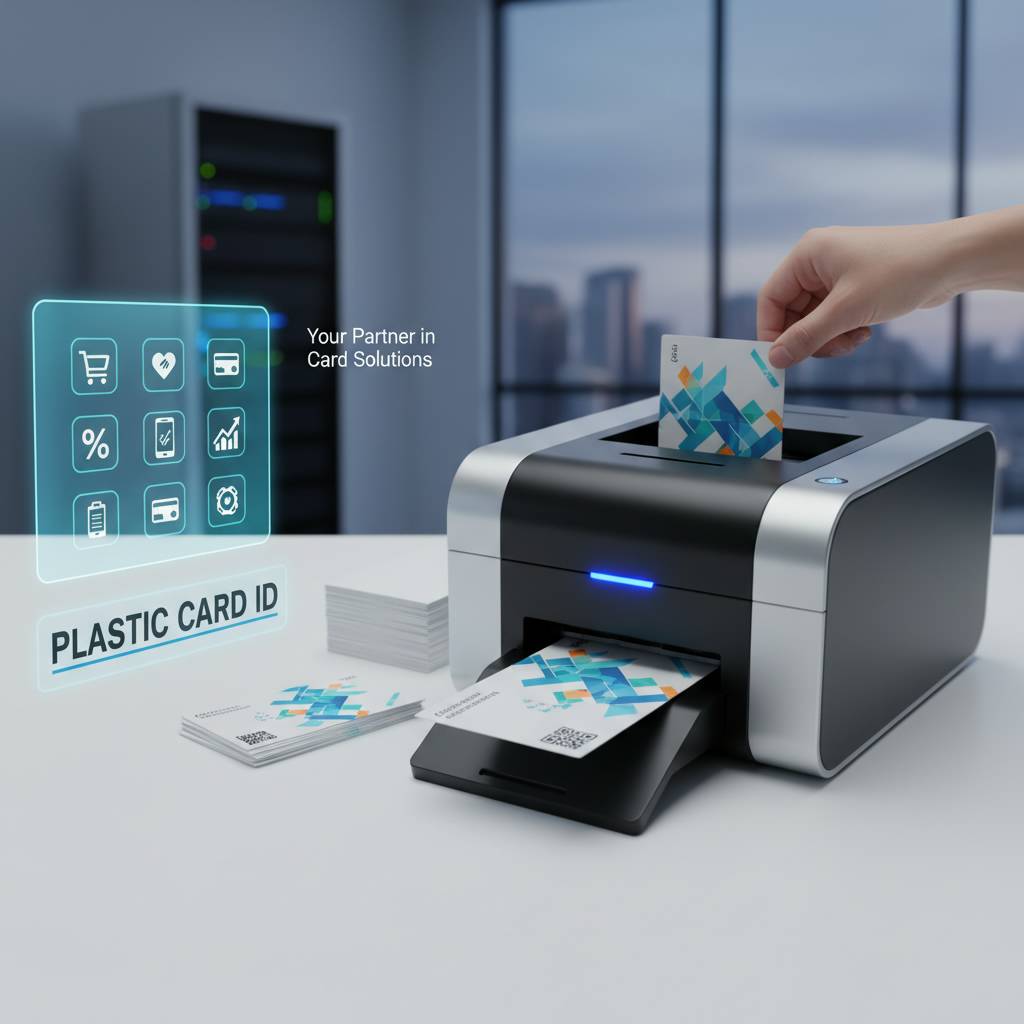 A loyalty card is more than a piece of plastic. Done right, it's a touchpoint that reinforces your brand, enables your CRM system, and gives customers a tangible reason to return. The features your card printer supports directly determine how sophisticated and functional your loyalty program can be - and the gap between a basic printed card and a fully encoded, personalized loyalty card is significant.
The most effective loyalty cards combine visual branding with functional encoding - a magnetic stripe or barcode that integrates directly with your POS software, pulling up the customer's account on scan. In-house printing makes personalizing each card at the point of production straightforward. Name, member number, tier level, expiration date - all printed and encoded in one pass.
Magnetic Stripe Encoding for POS Integration
Magnetic stripe encoding is the backbone of most retail loyalty card programs. A card printer equipped with an encoding module writes data directly to the card's magnetic stripe during the print cycle. Swipe the card at the register, and the POS system reads the member ID instantly. It's fast, reliable, and works with virtually every major retail and hospitality POS platform in use today.
Printers like the Evolis Primacy2 support magnetic stripe encoding as an integrated upgrade - no external encoder required. For businesses running loyalty programs that need real-time point-of-sale integration, this capability is a core requirement, not an optional add-on. Encoding at the printer means every card is issue-ready the moment it leaves the print tray.
Smart Chip and Barcode Options
For programs that require higher security or greater data capacity, smart chip encoding offers a compelling upgrade. Chip-based loyalty cards can store more information than a magnetic stripe and offer better resistance to cloning and duplication. They're particularly well-suited for programs that double as access control credentials or where member data security is a priority consideration.
Barcodes and QR codes printed directly onto the card surface provide a cost-effective alternative to magnetic encoding for programs that scan rather than swipe. Many loyalty apps and mobile POS systems are built around QR code scanning, making a well-printed QR code on a physical card a natural bridge between digital and physical loyalty program management.
Personalizing Every Card at the Printer
Variable data printing - printing unique information on each card in a batch - is a standard capability of the professional card printers Plastic Card ID carries. Member names, unique barcodes, sequential member numbers, and tier designations can all be incorporated into a single print run without interrupting workflow or requiring manual post-processing. Each card comes off the printer as a finished, individualized item.
This level of personalization was once available only to large organizations with dedicated card bureau relationships. Today, a mid-range desktop card printer delivers the same capability on-demand, in-house, at a fraction of the per-card cost of outsourced production. That shift fundamentally changes what's possible for businesses of any size running a loyalty program.
Frequently Asked Questions About Plastic Card Printers for Loyalty Programs
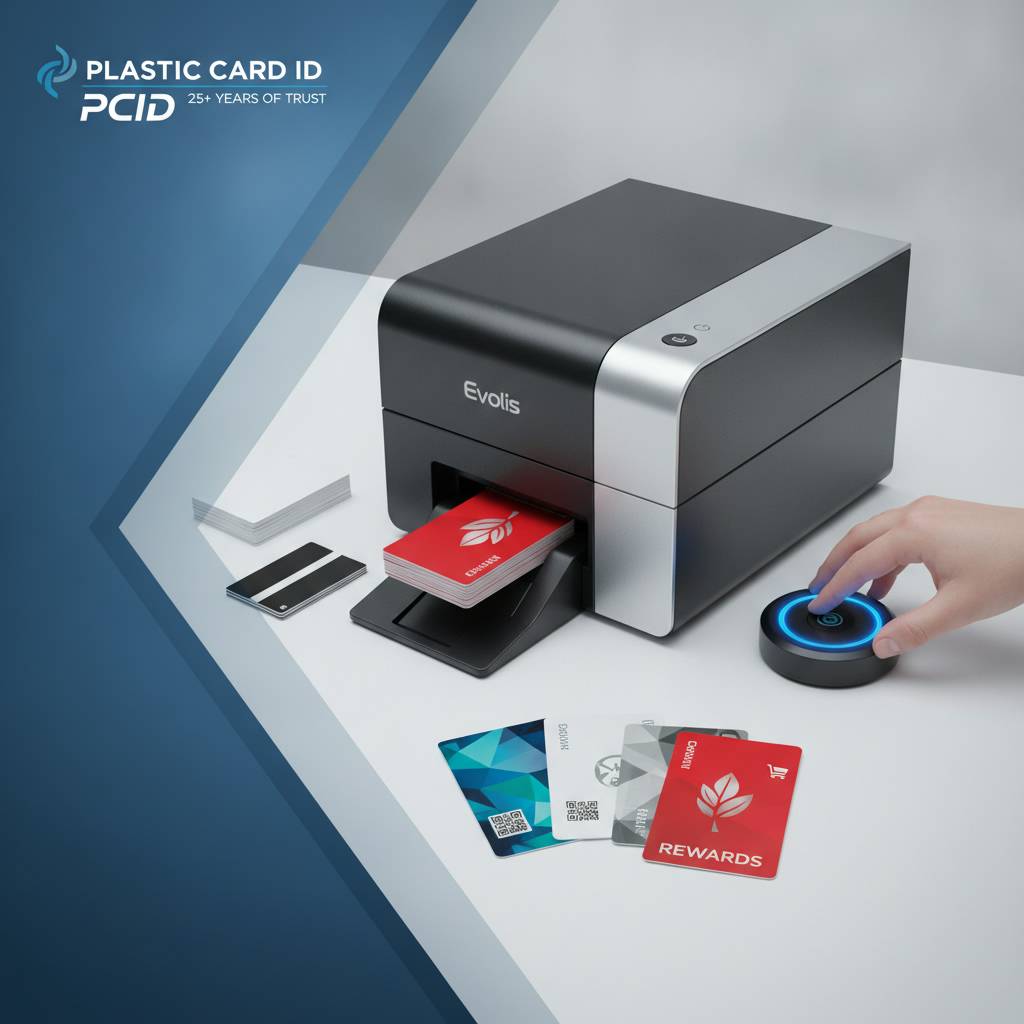 Businesses exploring in-house card printing for the first time tend to arrive with similar questions. The answers generally reinforce what experienced operators already know: the technology is accessible, the learning curve is manageable, and the economics improve quickly once you're printing in-house rather than outsourcing.
Below are the questions CPE hears most often, answered directly and without jargon.
How Much Does It Cost to Print Loyalty Cards In-House?
Entry-level card printers like the Evolis Badgy200 start at prices that make in-house printing accessible to small businesses. Mid-range printers like the Zenius and Primacy2 represent a larger upfront investment but typically pay for themselves quickly when compared to the per-card cost of ordering from an outside print vendor. Ribbon costs typically run in the range of $0.10-$0.50 per card depending on ribbon type and card design complexity.
The economics improve further when you factor in the elimination of minimum order quantities, the ability to update designs without waste, and the value of printing only the cards you actually need. In-house printing almost always becomes the more cost-effective choice within 12-18 months for organizations that previously ordered cards in bulk from outside suppliers.
Do These Printers Work With My Existing POS or CRM System?
Plastic card printers produce the physical card; the encoding on that card - whether magnetic stripe, smart chip, or barcode - is what your POS or CRM system reads. As long as the encoding format matches what your software expects, the cards produced by any of the printers in the Plastic Card ID lineup will integrate seamlessly with your existing systems.
- Magnetic stripe cards work with swipe-based POS terminals and readers standard in retail and hospitality.
- Smart chip cards integrate with chip-reader equipped terminals and access control systems.
- Barcode and QR code cards work with scanner-equipped POS systems and mobile loyalty apps.
- Your card printer's encoding module writes the data; your software reads it - the two systems operate independently but complementarily.
What Maintenance Does a Card Printer Require?
Regular cleaning is the primary maintenance task. Most professional card printers include built-in cleaning cycle prompts that trigger at preset card count intervals. Using the correct cleaning cards and swabs at these intervals prevents print defects and maintains consistent output quality. Beyond cleaning, keeping the printer in a dust-controlled environment and using quality-grade cards and ribbons reduces wear on print heads and transport mechanisms.
A well-maintained card printer can deliver years of reliable service with no repairs required beyond routine cleaning. Plastic Card ID stocks cleaning kits for all major printer brands in its lineup, making it straightforward to stay on schedule without hunting for compatible supplies.
Building a Complete Loyalty Card Program with Plastic Card ID
A loyalty card program is greater than the sum of its parts - but every part still matters. The printer, the ribbon, the card stock, the encoding, the design, the integration with your POS - each element needs to be right for the program to run smoothly and deliver results. Plastic Card ID has spent more than 25 years helping businesses get all of those pieces right simultaneously, and that depth of experience is evident in how the product lineup is assembled.
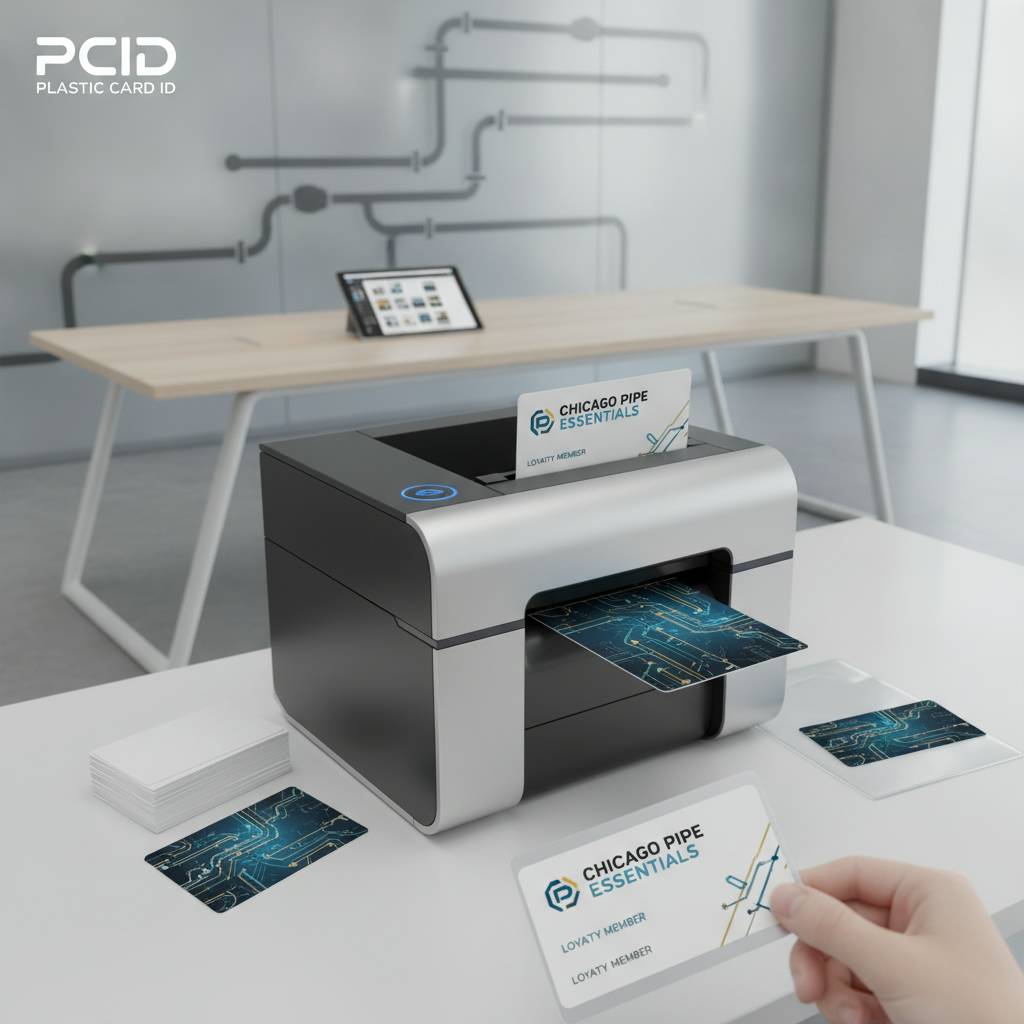
No two loyalty programs are identical, and the flexibility of the available hardware and consumables reflects that reality. Whether you're printing 50 cards a month for a neighborhood boutique or 5,000 cards a month for a regional chain, there's a printer in the lineup that fits your volume, your budget, and your program requirements precisely.
From First Card to Full Program: Getting Started
Starting an in-house loyalty card program is more straightforward than most businesses expect. Choose the right printer for your volume, order the appropriate ribbons and card stock, install the software, design your card template, and print. Most businesses are producing professional-quality loyalty cards within hours of setting up their printer for the first time.
The real complexity is in the planning phase - deciding on card features, encoding format, design standards, and how the cards will integrate with your existing systems. Getting that planning right upfront prevents expensive changes later. The team at CPE can help walk through those decisions before you purchase, ensuring the hardware you select fully supports the program you're building.
Scaling Up as Your Program Grows
One of the structural advantages of investing in professional-grade card printing hardware is the scalability it provides. An organization that starts with a Badgy200 printing 200 cards per month can upgrade to a Primacy2 when volume grows, without changing its card design, encoding format, or POS integration. The cards are interchangeable; only the production equipment changes.
This upgrade path is a deliberate feature of how Plastic Card ID structures its product lineup - entry-level, mid-range, and premium options that share common card and ribbon formats wherever possible, making transitions seamless rather than disruptive. Your loyalty program can grow without starting over at the printer level.
Call CPE to Discuss Your Loyalty Card Requirements
Every loyalty program has specific requirements, and matching hardware to those requirements is exactly the kind of guidance CPE provides. Call 800.835.7919 to speak directly with someone who understands card printers, ribbon options, encoding configurations, and the practical realities of running an in-house loyalty card program at any scale.
There's no obligation, no sales pressure - just useful, experience-backed guidance that helps you make the right choice the first time. The right printer, the right supplies, and a clear understanding of your program's requirements are all that stand between you and a loyalty card program that works exactly as intended.
Ready to take control of your loyalty card program? Contact Plastic Card ID today at 800.835.7919 and let over 25 years of card printing expertise work for your business.
Previous Page