Card Printer Lamination Module Explained: Benefits and Options
Table of Contents []
- What a Lamination Module Actually Does for Your Card Printer - Plastic Card ID
- Types of Lamination Overlays and What They Protect Against
- Which Printers Support a Card Printer Lamination Module
- Understanding the True Cost of Adding Lamination to Your Card Program
- Buyer's Guide - Choosing the Right Lamination Setup for Your Organization
- Frequently Asked Questions About Card Printer Lamination Modules
- Work with Plastic Card ID to Get Your Lamination Setup Right
What a Lamination Module Actually Does for Your Card Printer - Plastic Card ID
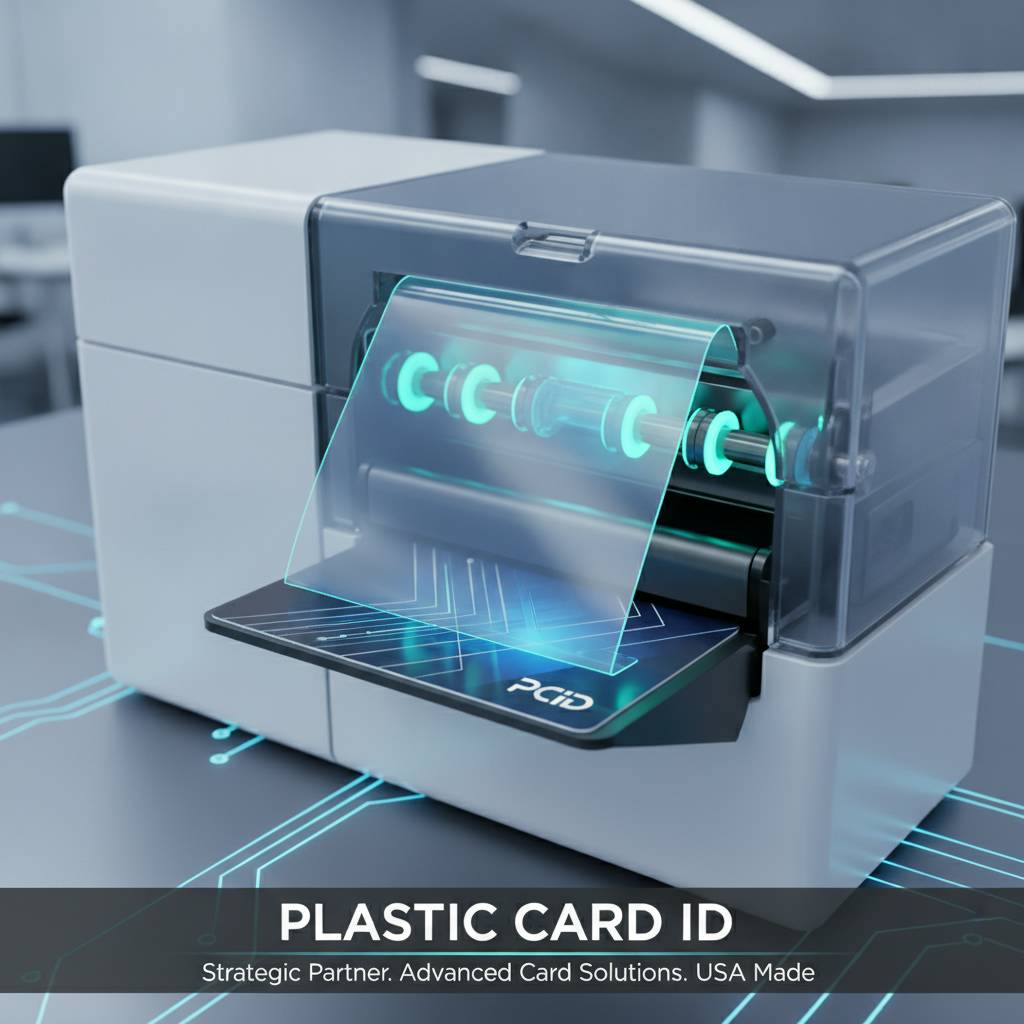 Most people shopping for a card printer focus on print resolution, throughput speed, or ribbon type. The lamination module? It tends to get overlooked - right up until someone hands you a faded, scratched employee ID badge six months after printing it. Lamination is the difference between a card that looks professional for years and one that looks worn by Tuesday. Understanding what a lamination module is, how it integrates with your printer, and whether your operation genuinely needs one can save you real money and real headaches.
At Plastic Card ID, we have spent over 25 years helping businesses of every size build smarter card programs. From a school district printing student IDs to a hotel chain issuing thousands of key cards per month, the question of lamination comes up constantly - and the answers are more nuanced than most vendors let on. This page breaks it all down clearly, honestly, and with enough technical depth to help you make an informed purchasing decision.
The Core Mechanics of Card Lamination
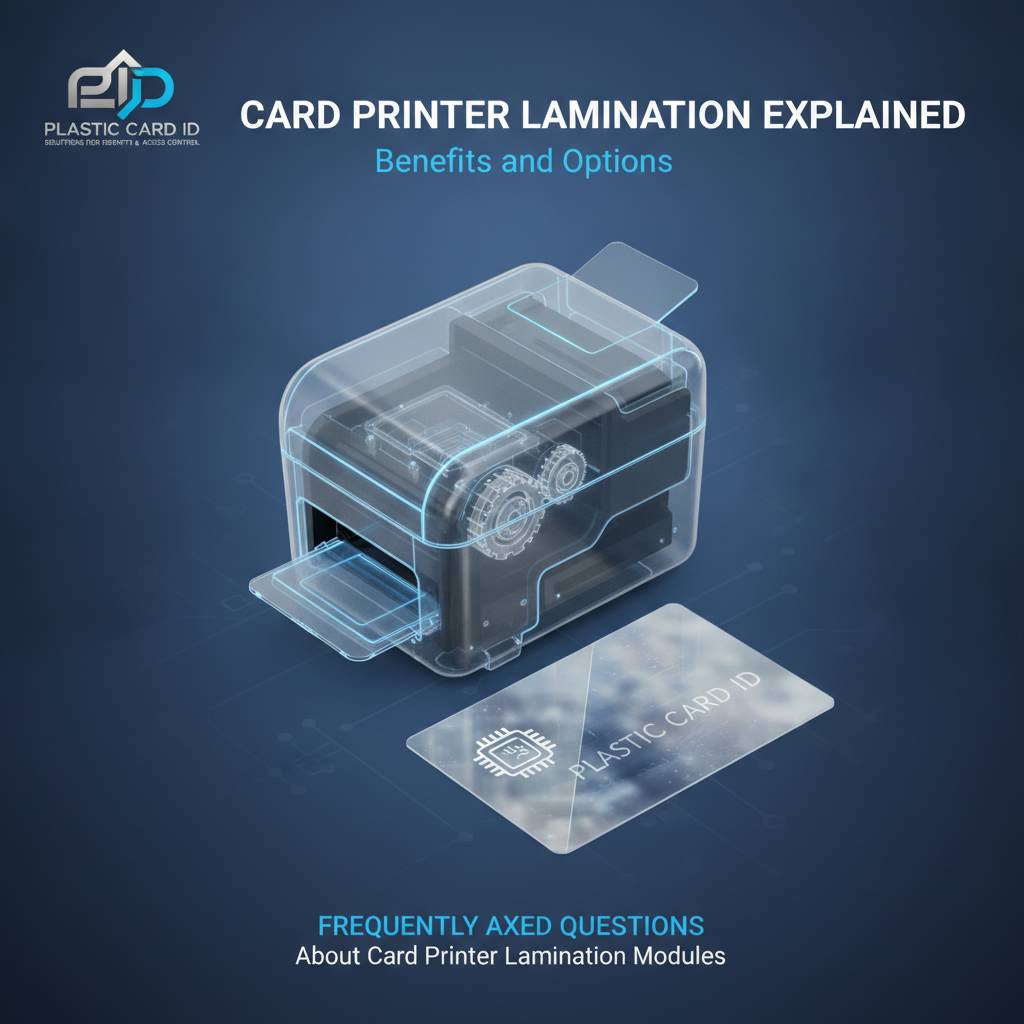
A lamination module is a hardware attachment - either integrated directly into the printer chassis or added as a separate inline unit - that applies a thin protective overlay film to the surface of a printed PVC card. The film is transferred using heat and pressure rollers, bonding it permanently to the card surface. This is not a coating sprayed on; it is a physical layer fused to the card itself.
That physical fusion is what makes lamination so effective. The overlay creates a hard barrier against UV light exposure, surface abrasion, chemical contact (think hand sanitizer, cleaning agents), and everyday handling wear. Cards with a laminate overlay routinely last three to five times longer than unlaminated cards under normal use conditions - a meaningful difference for any ID program where reprinting is costly or operationally disruptive.
Inline vs. Modular Lamination Attachment
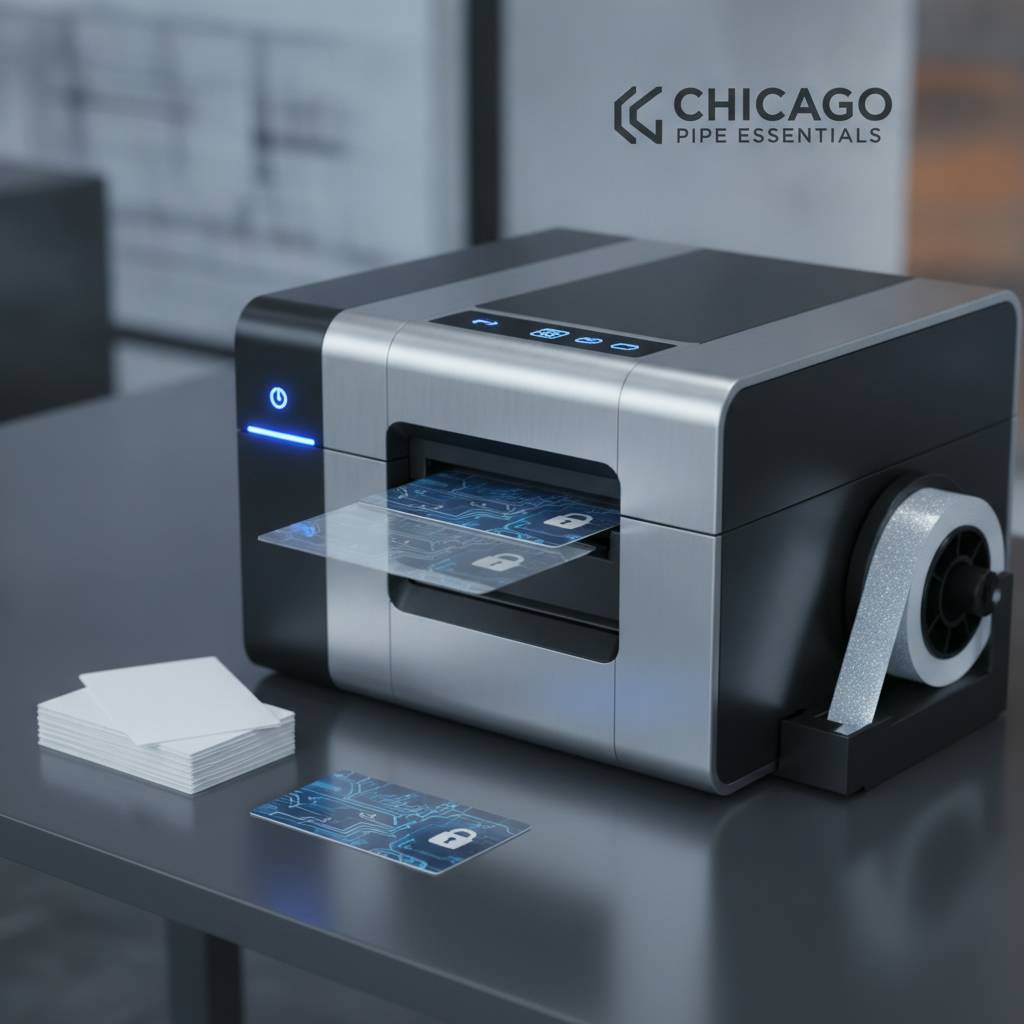
There are two primary ways a lamination module connects to a card printer. The first is an inline attachment - a module that physically connects to the output end of the printer so that cards flow directly from printing into lamination in a single pass. The Evolis Lamination Module, for example, attaches to compatible Evolis printers and handles the entire print-then-laminate sequence automatically without operator intervention.
The second approach involves a standalone laminator operating separately from the printer. Cards are printed in one unit, then fed manually or via a card feeder into the laminator. This setup offers more flexibility for high-volume or mixed-media operations but adds handling steps and floor space requirements. For most mid-size organizations, the inline module is far more practical - fewer touchpoints, less opportunity for handling damage, and a cleaner workflow from start to finish.
Why Lamination Matters More Than You Think
Here is a scenario that plays out in organizations everywhere: a fresh batch of employee ID badges looks sharp on day one. Vibrant colors, crisp text, clean edges. Three months later, the same badges are showing corner wear, surface scratches, and fading around the edges from daily handling and badge-reel friction. Without lamination, that degradation is essentially unavoidable. With it, those same cards still look nearly new.
The stakes get higher when cards carry encoded data. Magnetic stripe cards and smart chip cards are subject to not just cosmetic wear but functional degradation - and a laminate overlay adds a meaningful layer of physical protection to the card body itself, even if the stripe or chip sits beneath or within the card substrate. For access control cards, hotel key cards, and membership cards with encoded data, lamination is not optional - it is smart risk management.
| Card Type | Lamination Recommended? | Primary Benefit | Overlay Type |
|---|---|---|---|
| Employee ID Badges | Strongly Recommended | Scratch and abrasion resistance | Clear or holographic |
| Membership Cards | Recommended | Longevity and brand appearance | Clear gloss or matte |
| Access Control / Key Cards | Strongly Recommended | Functional card body protection | Clear or holographic |
| Student IDs | Recommended | Heavy handling durability | Clear gloss |
| Event Credentials | Optional | Short-term appearance quality | Monochrome overlay or none |
| Hotel Key Cards | Strongly Recommended | Guest handling and repeated use | Clear gloss |
Types of Lamination Overlays and What They Protect Against
 Not all lamination overlays are created equal, and the differences matter more than most buyers realize. The overlay film you select determines what threats your cards are protected against, how the finished card looks and feels, and in some cases, whether the card satisfies specific industry security standards. Choosing blindly - or defaulting to whatever came with the printer - leaves performance on the table.
Plastic Card ID supplies a range of overlay options compatible with leading card printer models. Whether you need a simple clear gloss finish for a membership card or a full holographic security overlay for a government-grade ID, understanding the options is step one.
Clear Gloss and Matte Overlays
Clear gloss overlays are the most common choice. They apply a transparent, shiny protective layer over the full card surface, enhancing color vibrancy and providing solid resistance against scratching, moisture, and UV fading. For most business ID programs - employee badges, loyalty cards, gym memberships, student IDs - a clear gloss overlay delivers excellent results at a manageable cost per card.
Matte overlays offer the same physical protection but with a non-reflective finish that some organizations prefer for aesthetic reasons or for cards requiring signature panels. The matte finish also reduces fingerprint visibility on the card surface - a small detail that matters more than expected when cards are handled frequently throughout a workday.
Holographic Security Overlays
Holographic overlays serve a dual purpose: they provide physical protection identical to clear overlays while also adding a visible security feature that is extremely difficult to replicate without industrial-grade lamination equipment. The shifting holographic pattern is immediately visible under normal light conditions, making counterfeiting or tampering with the card detectable at a glance.
Organizations running security-sensitive ID programs - government contractors, healthcare facilities, universities with strict access control - often specify holographic overlays as a standard requirement. A holographic laminate overlay is one of the most cost-effective anti-counterfeiting measures available for in-house card printing programs. It adds only a few cents per card to operational costs while meaningfully raising the barrier against unauthorized card duplication.
Partial Overlays and Specialty Films
Some lamination modules support partial overlay application - covering only a defined portion of the card surface rather than edge to edge. This is useful when a portion of the card must remain unlaminated for a reason: a writable signature panel, a peel-off label, or a barcode that requires direct scanner contact without any film interference. Partial overlay capability requires a printer and module combination that supports programmable lamination zones.
Specialty films include UV-reactive overlays that are invisible under normal light but fluoresce under ultraviolet inspection - another security feature used in credential-intensive environments. Some films are also formulated specifically for use with smart card or contactless card formats, ensuring the overlay does not interfere with chip or antenna performance.
Which Printers Support a Card Printer Lamination Module
This is where buyers sometimes run into frustration - not every card printer supports inline lamination, and not every lamination module is universally compatible. The good news is that CPE carries the full ecosystem of compatible printers and modules, so pairing is straightforward when you purchase through us. The not-so-good news for buyers who already own a printer is that retrofitting for lamination is not always possible.

Evolis Printers with Lamination Capability
Evolis has built lamination capability into several of its mid-range and premium printer lines. The Evolis Primacy2 is a notable example - available in a configuration that includes an integrated lamination module, allowing dual-sided printing and full-surface lamination in a compact, single-unit form factor. This makes it one of the most capable all-in-one systems for organizations printing 1,000 to 6,000 cards per month.
The Evolis Agilia, positioned at the premium end of the Evolis lineup, delivers edge-to-edge printing at the highest output quality and supports advanced lamination options including holographic overlays. For organizations where card appearance is a direct reflection of brand quality - hospitality brands, financial services firms, healthcare networks - the Agilia with lamination module represents a serious production capability.
Fargo and Zebra Lamination Options
Fargo printers, particularly within the HDP (High Definition Printing) product family, have long supported lamination modules as part of their security-focused ID printing ecosystems. Fargo's lamination approach involves a retransfer printing method that itself provides additional durability, and when combined with a lamination module, produces cards that meet demanding government and enterprise security specifications.
Zebra card printers likewise support lamination in their higher-tier product lines. Zebra's ZXP Series and ZC Series models serve enterprise ID programs where both throughput and card durability are non-negotiable. Call Plastic Card ID at 800.835.7919 to discuss which Fargo or Zebra model pairs correctly with a lamination module for your specific production requirements.
Matica and High-Volume Lamination
The Matica Event Printer occupies a unique position in the market - designed for high-speed on-site credential printing where large volumes of badges must be produced quickly in a live event environment. While lamination is less commonly prioritized in pure event-badge scenarios due to the short card lifecycle, Matica's broader product family does support lamination in configurations designed for enterprise and institutional customers.
For buyers who are uncertain about compatibility or who need to evaluate whether their current printer can be upgraded with a lamination module, CPE can walk through the options. Selecting the right printer-module combination from the outset is far more cost-effective than purchasing an incompatible module and discovering the problem after the fact.
Understanding the True Cost of Adding Lamination to Your Card Program
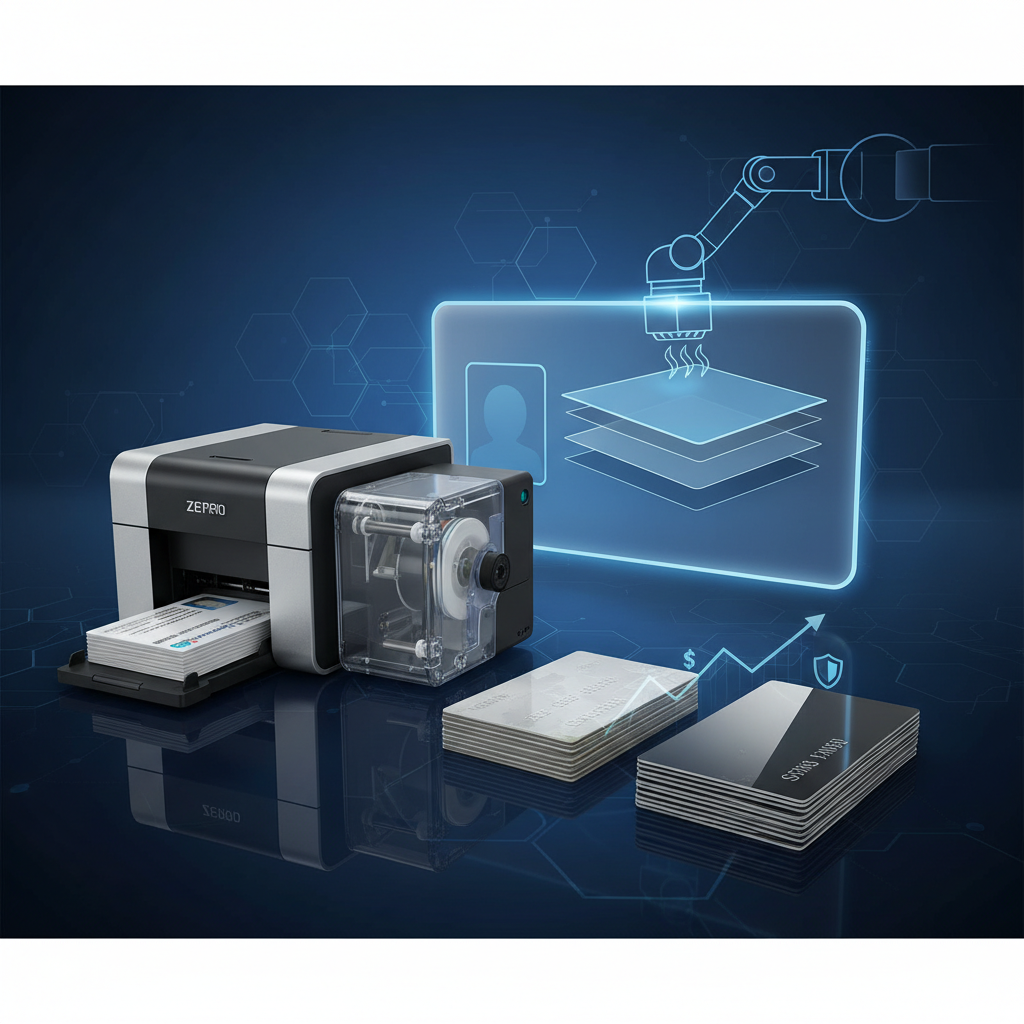 Budget-conscious buyers sometimes hesitate when they see that a lamination-equipped printer costs more upfront than the base model. That hesitation is understandable, but the math often tells a different story. The relevant calculation is not printer cost in isolation - it is total cost over the program lifecycle, accounting for card replacement rates, reprinting labor, and the downstream costs of cards that fail prematurely.
Upfront Hardware Investment
A lamination module for a compatible mid-range printer typically adds a meaningful but manageable cost to the hardware purchase. For context, an entry-level printer without lamination might be priced in the $300-$600 range, while a mid-range printer with integrated lamination capability moves into the $1,200-$2,500 range depending on features. Premium systems with dual-sided printing, encoding, and lamination can run $3,000-$6,000 or higher.
These are not trivial numbers, but they should be evaluated against program scale. An organization printing 3,000 cards per year at even a 20% annual replacement rate without lamination is reprinting 600 cards per year. At $1-$3 per card in consumable and labor costs, that replacement burden alone can justify the lamination module cost within two to three years.
Ongoing Consumable Costs
Lamination overlays are a consumable, just like printer ribbons and cleaning kits. Overlay film typically comes on rolls sized to match specific printer and module models, and cost per card for lamination film generally runs in the $0.05-$0.25 range depending on overlay type, film quantity purchased, and whether single- or dual-side lamination is applied. Holographic overlays sit at the higher end of that range; clear gloss at the lower end.
Factoring in overlay cost alongside YMCKO ribbon cost gives a realistic picture of total consumable spend per card. For most mid-volume programs, the combined consumable cost including lamination remains well under $1.00 per card - a fraction of what commercial card printing vendors charge for equivalent output. In-house lamination, like in-house printing itself, pays for itself through vendor independence and per-card cost control.
- Clear gloss overlay film: approximately $0.05-$0.10 per card surface
- Holographic security overlay: approximately $0.15-$0.25 per card surface
- YMCKO full-color ribbon: approximately $0.30-$0.60 per card (varies by ribbon yield)
- Total consumable cost with lamination, per card: approximately $0.50-$0.85 for most programs
- Equivalent commercial vendor cost per finished card: typically $2.00-$6.00 or more
Maintenance and Cleaning Considerations
A lamination module adds one more component to maintain, and that maintenance is not complicated but it is important. Lamination rollers accumulate dust, card debris, and adhesive residue over time. Neglecting roller cleaning leads to lamination defects - bubbles, streaks, uneven adhesion - that compromise both card appearance and durability. Cleaning kits designed for lamination modules are inexpensive and take only minutes to run.
Most manufacturers recommend running a lamination roller cleaning cycle every time the overlay film is changed. This simple practice keeps the module performing at full specification and prevents defects from compounding into larger roller damage. A well-maintained lamination module reliably delivers thousands of flawless laminated cards before needing any component service.
Buyer's Guide - Choosing the Right Lamination Setup for Your Organization
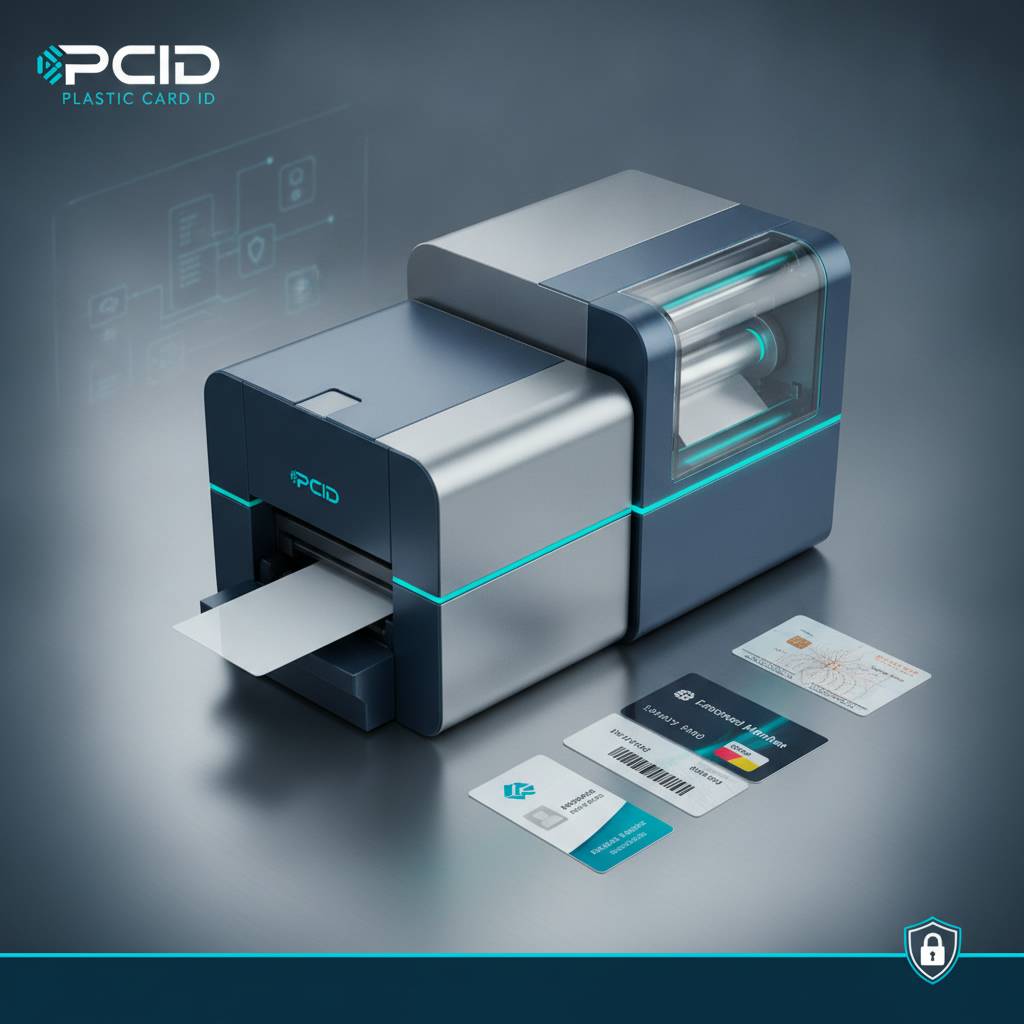 The right lamination configuration is not the same for every buyer, and approaching this as a purely spec-driven decision misses important operational context. Volume, card type, security requirements, and budget all factor in - and the interaction between those variables is where the real decision-making happens.
Low-Volume Operations
Organizations printing fewer than 1,000 cards per year face a genuinely different calculus than high-volume operations. At that scale, an integrated lamination module may represent an investment that is difficult to recoup purely on consumable savings. However, if the cards being produced carry access control credentials, represent the organization's brand at a premium level, or need to survive years of daily use, lamination still makes sense - the value calculation just leans more on card quality than cost recovery.
For low-volume buyers who want lamination capability without a large upfront investment, the question of whether to purchase a lamination-enabled printer model or supplement a base printer with a standalone laminator is worth exploring. CPE can help evaluate the options based on your specific card types and annual volume projections.
Mid-Volume Programs - The Sweet Spot
Organizations printing 1,000 to 6,000 cards per month represent the core market for integrated lamination modules. At this volume, the operational efficiency of inline lamination - cards flowing automatically from printing to lamination without manual handling - delivers measurable time savings. The Evolis Primacy2 with integrated lamination module is purpose-built for exactly this use case and has earned a strong reputation among HR departments, university ID offices, and healthcare credentialing programs.
At mid-volume scale, inline lamination essentially eliminates the labor cost of card handling between print and lamination steps - a real efficiency gain that compounds across thousands of cards per year. It also reduces the opportunity for handling damage to freshly printed cards before the overlay is applied, which is a subtle but genuine quality benefit.
High-Volume and Security-Critical Applications
Large enterprises, government agencies, healthcare systems, and institutions with stringent ID security requirements operate at a different level of demand. Here, lamination is non-negotiable, holographic overlays are frequently standard, and throughput must match production schedules that can involve hundreds or thousands of cards per day. Fargo HDP systems with lamination modules are a common choice at this tier, as are Zebra enterprise configurations.
For security-critical applications, the lamination module selection should also account for the specific overlay certifications or standards relevant to the organization's compliance obligations. Some government and enterprise programs have defined specifications for overlay type, thickness, and holographic pattern. Getting this right at procurement - rather than discovering a compliance gap after deployment - is a central value of working with an experienced supplier like Plastic Card ID.
Frequently Asked Questions About Card Printer Lamination Modules
After more than two decades of conversations with buyers across industries, CPE has a clear sense of which questions come up most often. Below are the most common and most useful - answered directly, without the hedging that tends to make FAQ sections frustrating to read.
Can I Add a Lamination Module to My Existing Printer?
Sometimes - but not always. Lamination module compatibility is determined by the printer manufacturer and depends on whether the printer's physical design, firmware, and card transport mechanism support module attachment. Evolis and Fargo both offer lamination modules designed to integrate with specific printer models in their respective lineups. If your printer is not on the compatible list, a module retrofit is generally not possible.
If you are in this situation, the practical path forward is typically to evaluate whether upgrading to a lamination-capable printer model makes sense given your volume and card quality requirements. In many cases, the upgrade cost is offset by the extended card life and reduced replacement expense that lamination enables. Contact Plastic Card ID at 800.835.7919 to review your current setup and identify the cleanest upgrade path.
Does Lamination Affect Magnetic Stripe or Smart Chip Encoding?
This is a concern worth addressing carefully. The lamination overlay is applied to the surface of the card - it does not penetrate into the card substrate where a magnetic stripe is embedded or where a smart chip and antenna sit. Standard lamination does not interfere with magnetic stripe read performance or smart chip contactless communication when applied correctly with a compatible overlay film.
That said, incorrect overlay film selection or module calibration issues can theoretically cause problems - particularly with contactless smart cards where the antenna sits close to the card surface. Using overlay films specifically validated for use with encoded card types eliminates this risk. All overlay films supplied by Plastic Card ID are appropriate for use with standard PVC card formats including magnetic stripe and chip configurations.
How Long Does a Laminated Card Actually Last?
Under typical daily use conditions - carried in a wallet or badge holder, swiped through access readers, handled multiple times per day - a properly laminated card produced on a professional-grade printer with quality overlay film will typically maintain its appearance and functional integrity for three to five years or longer. Unlaminated cards under the same conditions commonly show significant wear within 12 to 18 months.
Card longevity also depends on PVC card stock quality, print settings, and the specific overlay applied. Organizations that require multi-year card lifecycles - student ID programs that issue cards valid for an entire degree program, or access control programs that reissue cards on a three-year cycle - find that lamination is functionally essential to meeting those lifecycle requirements reliably.
Work with Plastic Card ID to Get Your Lamination Setup Right
 There is a real difference between buying hardware and building a card program that works. The hardware is the foundation, but the configuration decisions - which printer, which module, which overlay type, what volume - determine whether that foundation serves your organization for years or creates ongoing frustration. Plastic Card ID has spent over 25 years and served more than 100,000 customers helping organizations get those decisions right the first time.
Whether you are starting a new card program from scratch, upgrading existing equipment to add lamination capability, or troubleshooting a current setup that is not delivering the card quality you need, CPE has the product knowledge and operational experience to help you find the right solution. We carry the full range of Evolis, Fargo, Zebra, and Matica printers and modules, along with all the consumables and accessories to keep your program running smoothly.
The Full Ecosystem - Printers, Modules, and Consumables
A lamination module does not operate in isolation - it is one part of a complete card production ecosystem that includes the printer itself, YMCKO and specialty ribbons, overlay film, cleaning kits, card stock, and optional encoding upgrades. Plastic Card ID supplies all of it, which means you work with a single supplier who understands how every component interacts rather than assembling a patchwork solution from multiple vendors with no single point of accountability.
This matters more than it might seem at first. Consumable compatibility, cleaning schedules, overlay film selection, and module calibration are all interconnected. A supplier who carries the complete ecosystem can ensure that what you buy works together as intended - and can troubleshoot effectively when questions arise.
Ready to Talk Through Your Card Program?
If you are evaluating card printer lamination modules or considering a printer upgrade that includes lamination capability, the best next step is a direct conversation. Call 800.835.7919 to speak with a knowledgeable Plastic Card ID representative who can help you identify the right configuration for your volume, card type, and budget.
Contact Plastic Card ID today at 800.835.7919 - and let us help you build a card program that produces professional, durable, impressive cards every time you hit print. With the right printer, the right module, and the right overlay film, in-house lamination is not a luxury - it is a straightforward, cost-effective upgrade that pays for itself in card quality and program reliability.
Previous Page